DABBA TRADING Explained: A Beginner’s Roadmap to India’s Alternative Trading System
In the fast-paced world of Indian financial markets, traders constantly seek faster execution, lower costs, and more flexible tools. One name that has surfaced prominently in recent discussions is DABBA TRADING. While the term may sound unfamiliar to traditional investors, it represents an alternative trading approach that has gained traction among active market participants. This article serves as a comprehensive roadmap for beginners who want to understand what dabba trading is, how it works, and why platforms like the DABBA TRADING ecosystem are becoming popular. We’ll break down the mechanics, benefits, risks, and practical tips to help you navigate this unique segment with confidence.
What Is DABBA TRADING?
At its core, dabba trading refers to a parallel or off-the-book trading system where transactions are executed outside the formal regulatory framework. The term “dabba” is often associated with a box or container, but in trading jargon, it signifies a separate ledger where trades are recorded without being routed through the official stock exchange. Unlike standard exchange-traded transactions, dabba trading relies on a network of operators or platforms that match buyers and sellers directly. This setup appeals to traders who prioritize speed and simplicity over regulatory formalities. However, it’s essential to recognize that dabba trading carries unique risks, including lack of legal recourse and potential price manipulation. For those exploring this avenue, using a reputable DABBA TRADING ID is crucial to ensure a more structured experience.
How Does Dabba Trading Work?
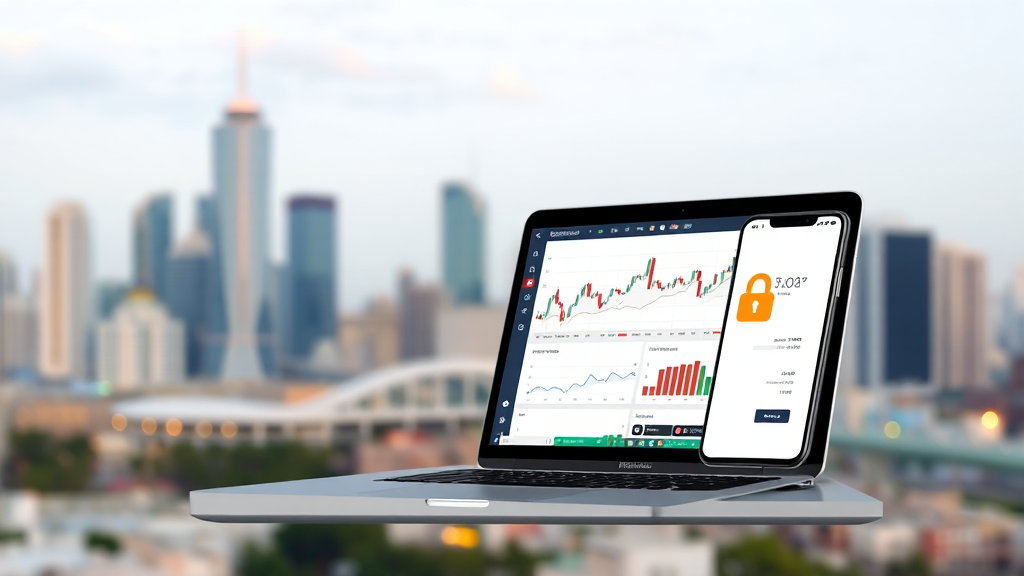
To understand dabba trading, imagine a scenario where you want to trade a stock or commodity without going through the conventional exchange. Instead, you approach a dabba operator who maintains an internal ledger. You place an order, and the operator executes it at a price agreed upon based on live market rates. The profit or loss is settled in cash, often on a daily basis. This mechanism eliminates brokerage fees and reduces paperwork, making it attractive for high-frequency traders. However, the lack of transparency means that you must trust the operator’s integrity. Platforms that offer a digital DABBA TRADING APP have modernized this process by providing real-time dashboards, automated settlement, and secure transaction records, thereby adding a layer of convenience and accountability.
Why Dabba Trading Is Gaining Popularity
Several factors contribute to the rising interest in dabba trading. First, the speed of execution is unmatched—trades are confirmed within seconds, which is vital in volatile markets. Second, the cost structure is simpler; there are no exchange fees, and spreads can be tighter. Third, dabba trading allows for higher leverage, enabling traders to amplify their positions with smaller capital. Additionally, the flexibility to trade beyond regular market hours is a significant draw for those who cannot monitor markets during standard sessions. The integration of technology has also played a role, as modern platforms provide analytical tools and mobile accessibility. For instance, the MCX DABBA TRADING segment has become particularly popular among commodity traders who appreciate the ability to hedge positions quickly without the usual red tape.
Key Features of a Reliable Dabba Trading Platform
Choosing the right platform is paramount in dabba trading. A reliable service should offer several key features. First, security is non-negotiable—your funds and personal data must be protected through encryption and secure servers. Second, real-time market data is essential for making informed decisions; a good platform provides live price feeds and charting tools. Third, customer support should be responsive and knowledgeable, as issues can arise at any time. Fourth, transparency in pricing and settlement is critical; you should know exactly how spreads and charges are calculated. Finally, a user-friendly interface matters, especially for beginners. The DABBA TRADING SITE offers these features with a focus on fast execution and real-time insights, making it a suitable choice for those entering this space.
Risks and Legal Considerations in Dabba Trading
It’s impossible to discuss dabba trading without addressing the risks. The most significant concern is the lack of regulatory oversight. Because trades occur outside the exchange, there is no guarantee of settlement, and disputes can be difficult to resolve. Price manipulation is another risk—operators might quote skewed prices to their advantage. Additionally, leverage can lead to substantial losses, especially if the market moves against you. From a legal perspective, dabba trading operates in a gray area; while not explicitly illegal, it may violate certain securities laws depending on the jurisdiction. Therefore, it’s crucial to consult with a financial advisor and understand local regulations before engaging. For those who proceed, using a platform that maintains clear records and offers dispute resolution mechanisms can mitigate some risks.
How to Start with Dabba Trading: A Step-by-Step Guide
If you’re considering dabba trading, follow these practical steps to get started. First, educate yourself about the market basics, including how prices move and what factors influence your chosen asset class. Second, select a reputable platform—look for reviews and verify the operator’s track record. Third, start with a small amount of capital that you can afford to lose; this minimizes the impact of mistakes. Fourth, set clear profit targets and stop-loss levels to manage your risk. Fifth, keep detailed records of all your trades for tax and accountability purposes. Finally, gradually increase your exposure as you gain confidence and experience. Remember, dabba trading is not a get-rich-quick scheme; it requires discipline and continuous learning. By using a trusted service, you can focus on strategy rather than worrying about operational issues.
Dabba Trading vs. Traditional Trading: A Comparative Analysis
To appreciate dabba trading, it’s helpful to compare it with traditional exchange-based trading. Traditional trading is regulated by bodies like SEBI, ensuring transparency and investor protection. Trades are executed on public exchanges, and prices are determined by market forces. In contrast, dabba trading offers more flexibility and speed but lacks the same safety nets. Traditional trading involves brokerage fees, taxes, and compliance requirements, while dabba trading simplifies costs but may expose you to counterparty risk. In terms of leverage, dabba trading often allows higher ratios, but this also increases risk. Ultimately, the choice depends on your risk appetite and trading style. Many traders use both methods—traditional for long-term investments and dabba for short-term speculative moves.
Technological Advancements in Dabba Trading
The landscape of dabba trading is evolving thanks to technology. Modern platforms leverage algorithms to match orders efficiently, reducing the chances of human error. Mobile apps allow traders to monitor positions and execute trades from anywhere, making it convenient for those on the go. Real-time analytics provide insights into market trends, helping traders make data-driven decisions. Moreover, blockchain technology is being explored to create more transparent dabba trading systems, potentially addressing the trust deficit. As these innovations continue, dabba trading could become more mainstream, though regulatory clarity remains a hurdle. For now, early adopters can benefit from the efficiency gains that technology brings.
Frequently Asked Questions
Is dabba trading legal in India?
Dabba trading operates in a legal gray area. While it’s not explicitly banned, it violates certain provisions of the Securities Contracts (Regulation) Act, and the Reserve Bank of India has cautioned against such practices. It’s advisable to consult with a legal expert before engaging.
What is the minimum capital required for dabba trading?
The minimum capital varies by platform and asset class. Some operators allow you to start with as little as ₹10,000, but it’s wise to begin with a smaller amount to test the waters and manage risk.
Can I make a consistent profit with dabba trading?
Profitability depends on your skill, strategy, and market conditions. Dabba trading can offer opportunities, but it also carries high risk. Successful traders often have extensive experience and strict risk management protocols.
How do I choose a reliable dabba trading platform?
Look for platforms with a strong reputation, transparent pricing, secure transactions, and responsive customer support. Reading user reviews and testing with a demo account can also help you assess reliability.
Conclusion
Dabba trading is an intriguing alternative for traders who value speed and flexibility. However, it comes with substantial risks that cannot be ignored. By understanding the mechanics, choosing a reputable platform, and implementing disciplined risk management, you can navigate this space more effectively. Whether you’re a seasoned trader or a curious newcomer, staying informed and cautious is the key to success. Remember, the financial markets are unforgiving, but with the right approach, you can leverage opportunities while protecting your capital.
Readers who are interested in this topic will benefit from exploring multiple perspectives and understanding the nuanced approaches that industry leaders recommend. Taking time to research thoroughly ensures better outcomes and more informed decision-making.
Those looking to gain deeper knowledge in this area should consider following expert analysis, staying updated with the latest developments, and engaging with professional communities where these topics are discussed in detail.
A comprehensive understanding of this subject requires looking at both theoretical foundations and practical applications. By combining study with hands-on experience, learners can develop a well-rounded perspective that serves them well in real-world scenarios.
As the landscape continues to shift and evolve, staying informed about emerging trends and best practices becomes increasingly valuable. This ensures you remain competitive and capable of adapting to new challenges as they arise.